COEDO Brewery Reveals the Behind-the-Scenes of Fresh Hop 2025 Brewing
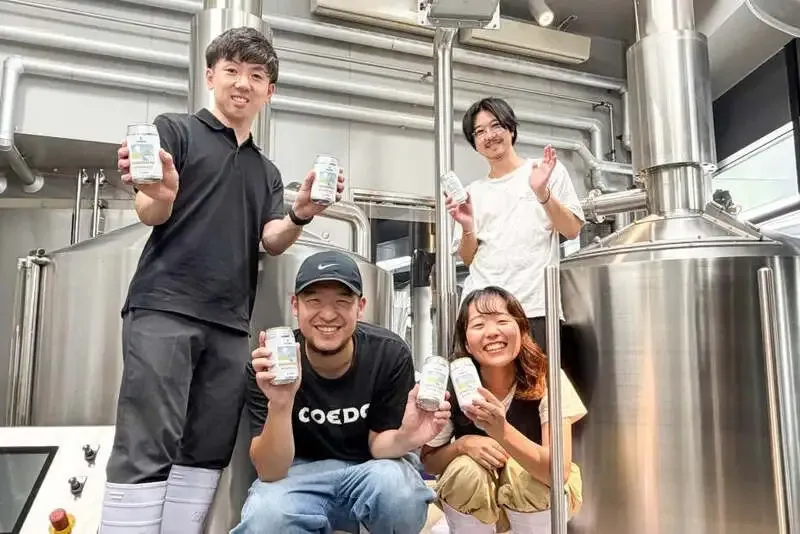
In COEDO Brewery's released "MEET THE BREWER | Fresh Hop 2025," the brewer in charge, Osamu Goshima, explains the character of the domestic fresh hop "HKTS02" and the techniques used during brewing. While the canned product has sold out, on-tap service has resumed at COEDO BREWERY THE RESTAURANT from Thursday, January 29, 2026.










The Essence of "Fresh Hop 2025" Discussed in the Interview
This time's star is the variety "HKTS02," grown at Kobayashi Hop Farm in Hokuto City, Yamanashi Prefecture. According to Goshima, the first impression of its aroma is Muscat-like, and the defining feature is a refreshing, grassland-like note layered underneath without being overly assertive. It seems designed to aim for a soft, clear aroma distinct from the flamboyance of overseas hops.
The style is IPL (India Pale Lager). Centered on a light bitterness and hop aroma that rises through the nose, it achieves the crisp finish characteristic of a lager, and Goshima rated it "close to perfect." His refusal to call it perfect suggests an intention to keep improving for the next vintage.
The Challenges Unique to Domestic Fresh Hops
What the article specifically discussed was handling after harvest. During transport from Hokuto City to Kawagoe, temperature control was strictly enforced, and careful attention was paid to sanitation because the hops were freshly picked raw material. It was also shown that even a slight difference in harvest timing changes the aroma, making coordination between the grower and the brewery crucial to quality.
A Glass Viewed in the Context of COEDO
Saitama-based COEDO Brewery is a brewery that has grown through its ties to agriculture in Kawagoe. After starting brewing in 1996 and establishing its craft brand in 2006, it now operates with both core and limited releases. This "Fresh Hop 2025" can be seen as a beer where that background intersects with the company's ongoing investment in domestic ingredients.
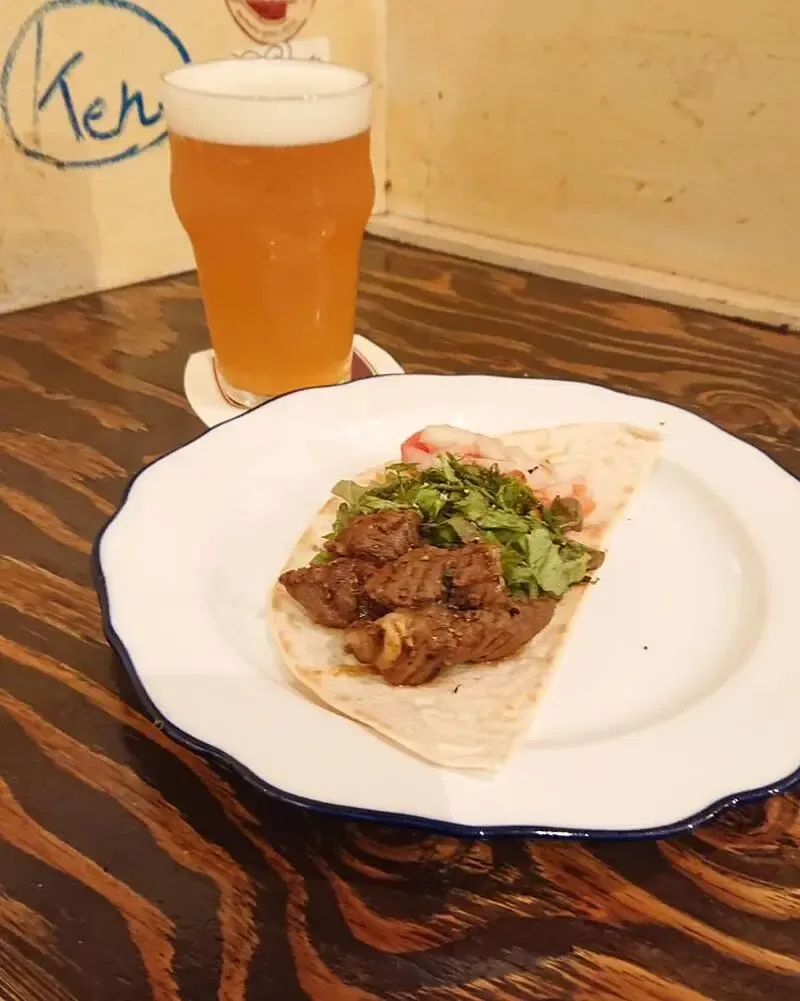
The cans have already sold out, but the chance to drink it on tap remains. If you want to experience the current state of domestic hops, now is the time to drink it.
Information may be inaccurate. Please refer to the brewery’s official channels for the latest details.